With the global economy exhibiting conflicting indicators, it comes as no surprise that agro-commodity markets are bracing for a period of intense volatility. Regrettably, relying on historical pricing models is frequently the first casualty of modern economic shifts. In early 2020, our extensive market surveys across major agricultural trading hubs revealed that an inability to forecast raw material costs leads to an average 12 percent compression in profit margins for mid-sized processors. In certain instances, sudden tariff changes and unseasonal weather events resulted in procurement budgets being exceeded by over 20 percent. Finding a balance between competitive market pricing and maintaining a robust procurement strategy is crucial to navigate the complexities of today’s commodity landscape.
Decoding Market Volatility: The Data Behind the Pricing
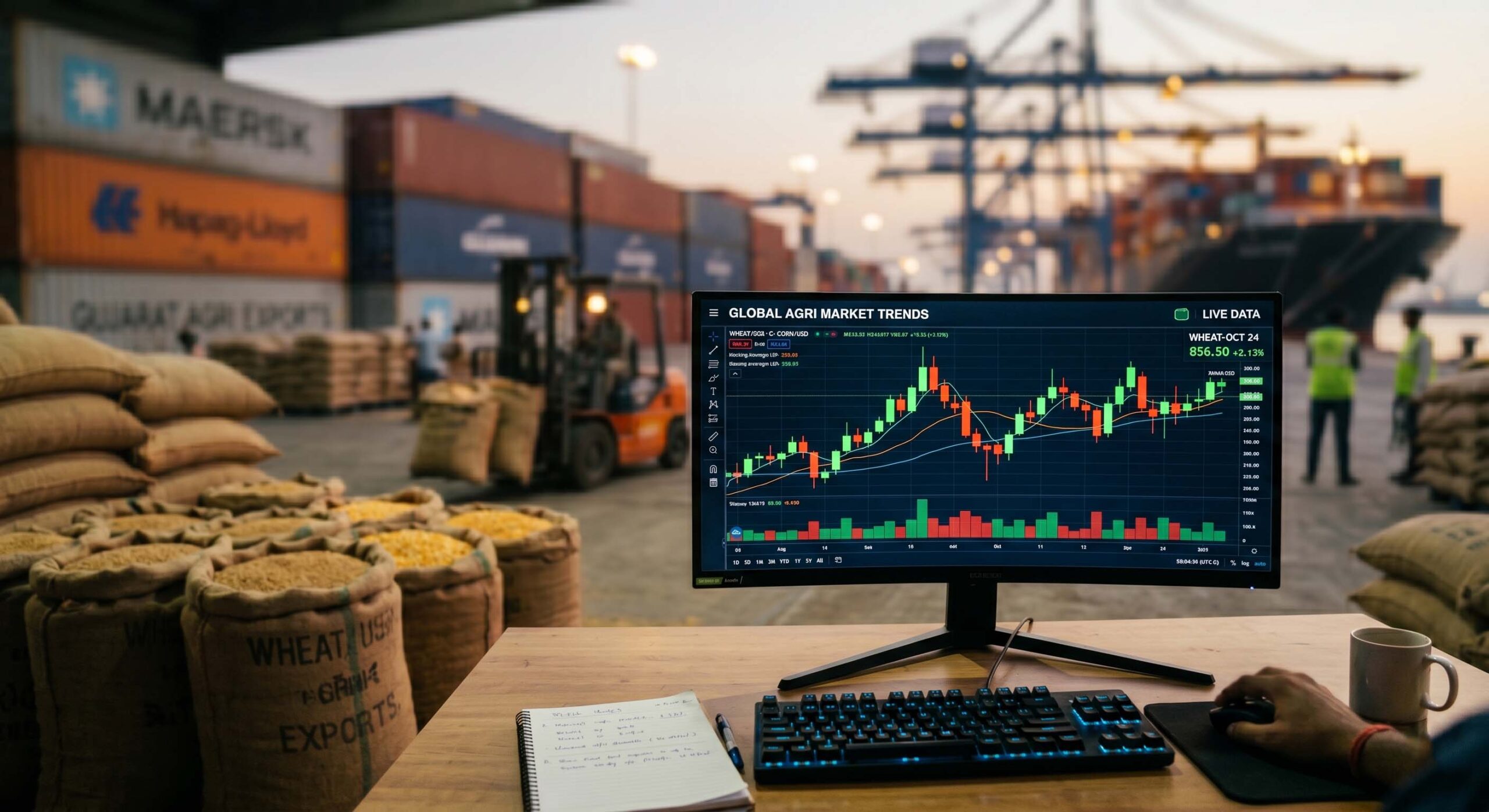
Over the past three years, commodity traders and agribusiness buyers have faced an arduous journey due to the rapid shifts in geopolitical trade agreements and the rising costs of international freight. In an era of economic uncertainty, global markets have been compelled to re-evaluate their supply chain dependencies. In fact, our latest industry analysis indicates that forward-thinking agricultural enterprises are modifying their procurement behavior by diversifying their sourcing regions and locking in long-term contracts. Simultaneously, the daily spot prices for staple crops have experienced a volatile upward trajectory, making predictive data analytics not just a theoretical concept, but a commercial necessity for survival.

Strategic Hedging: Protecting Your Profit Margins
During periods of high inflation, procurement leaders often respond to rising commodity costs by implementing uniform budget freezes, such as halting 10 percent of all raw material purchases. Many believe they can ride out the storm by simply buying less and depleting their existing inventory. While they may achieve short-term cash flow preservation, they leave themselves highly exposed when inventory runs out and prices remain high. However, there is a viable path forward. Instead of solely focusing on indiscriminate purchasing halts, companies can adopt a proactive financial mindset and take a more nuanced approach to their inventory management. This involves utilizing futures contracts and strategic hedging to lock in viable prices, while allocating additional resources to decentralized warehousing. By eliminating panic-buying at peak market rates, successful enterprises can potentially safeguard 10 to 15 percent of their annual procurement budget, reinvesting these protected funds into aggressive market expansion.
"While it’s tempting to adopt a wait-and-see approach during market turbulence, we believe that companies that aggressively leverage predictive pricing data will not only secure their margins but will also out-price their competitors as a result."
Building Resilience: A Strategic Mandate for Agribusinesses
Despite the ongoing economic volatility, the shifting commodity landscape presents a pivotal opportunity for agile agribusinesses to unlock substantial value, leveraging market intelligence to drive growth and establish a clear financial agenda for the year ahead. In times of pricing uncertainty, it may be tempting for traditional buyers to retract and adopt a highly conservative approach. However, we firmly believe that organizations that choose to double down on strategic hedging and data-driven procurement will not only recover more swiftly from market shocks but will also emerge from these global challenges in a position of distinct competitive advantage. These turbulent times serve as a defining moment for corporate buyers to direct their focus intensely on supply chain resilience.