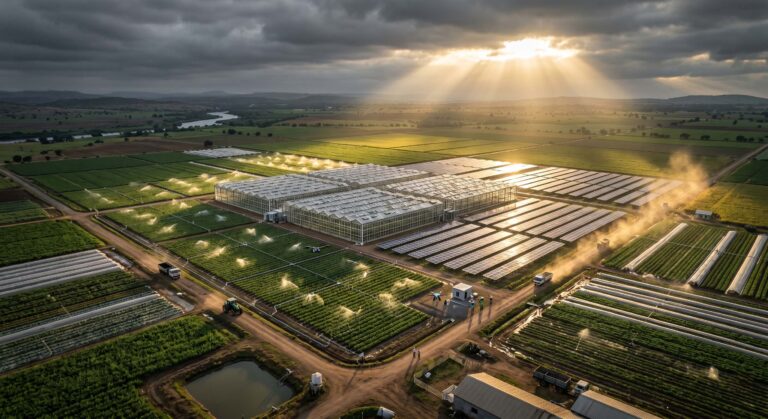
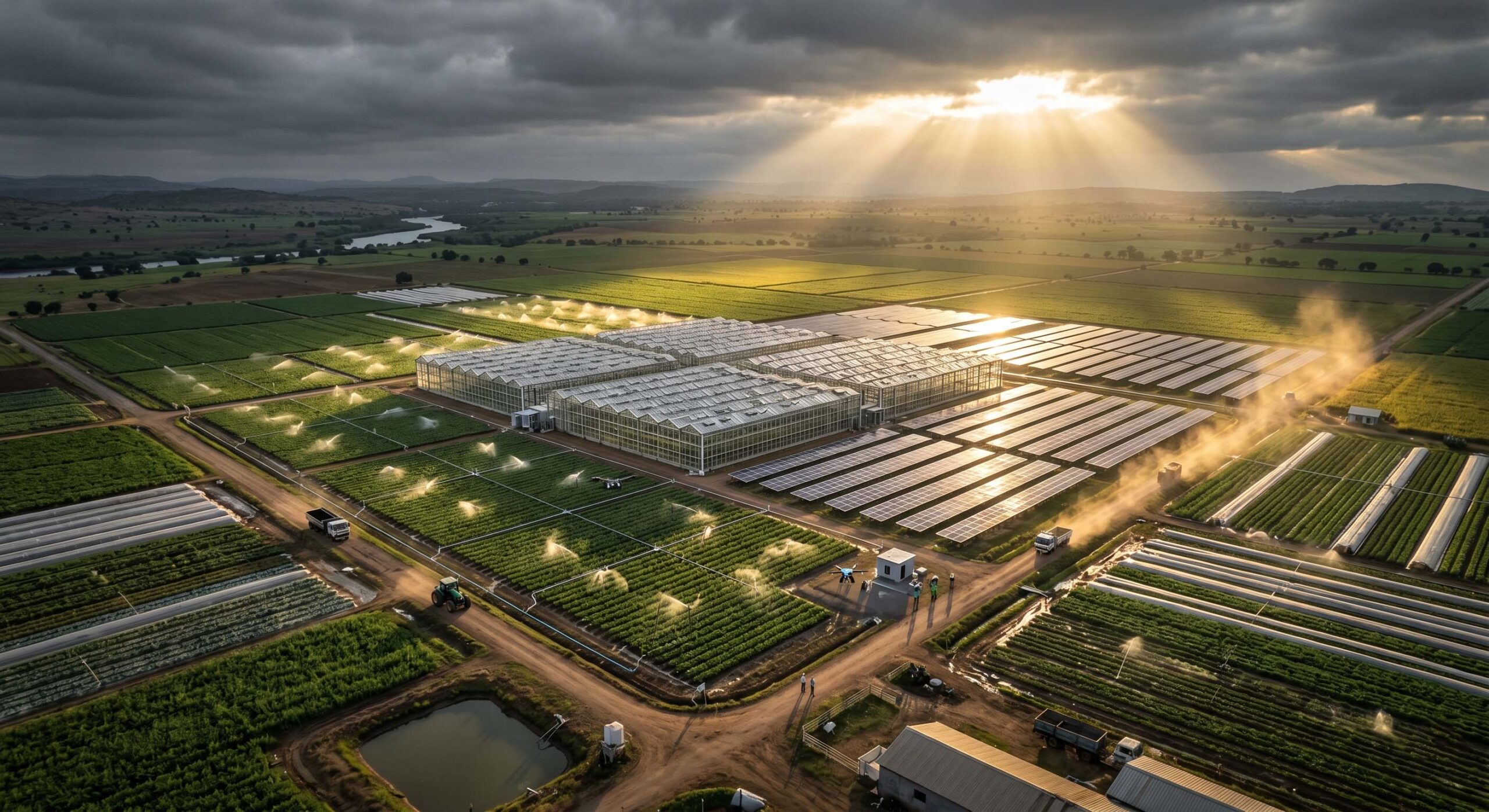
With erratic weather patterns and extreme climatic events becoming the new normal, it comes as no surprise that institutional investors are urgently stress-testing their agricultural assets. Regrettably, relying on historical climate data to project future crop yields is frequently the first hurdle to securing long-term portfolio stability. In mid-2025, our environmental risk audits across major corporate farming operations revealed that an inability to adapt to sudden micro-climate shifts leads to an average 25 percent depreciation in annual projected revenues. In certain instances, unseasonal droughts and sudden flooding resulted in total crop failure for assets that lacked modern water-management infrastructure. Finding a balance between aggressive land acquisition and meticulous climate-resilient engineering is crucial to navigate the complexities of today’s unpredictable agricultural landscape.
Rethinking the Yield Equation: The Impact of Climate Volatility
Over the past five years, portfolio managers have faced an arduous journey due to the rapid shifts in global weather systems and the rising costs associated with emergency crop recovery. In an era of profound environmental uncertainty, corporate agribusinesses have been compelled to prioritize structural resilience over theoretical maximum yields. In fact, forward-thinking asset managers are modifying their entire investment behavior by integrating advanced climate modeling, drought-resistant seed genetics, and precision micro-irrigation systems into their core operations. Simultaneously, the cost of traditional crop insurance has experienced a steep upward trajectory, making proactive environmental engineering not just an ecological initiative, but a commercial necessity for asset protection.
The Investor Approach to Environmental Risk
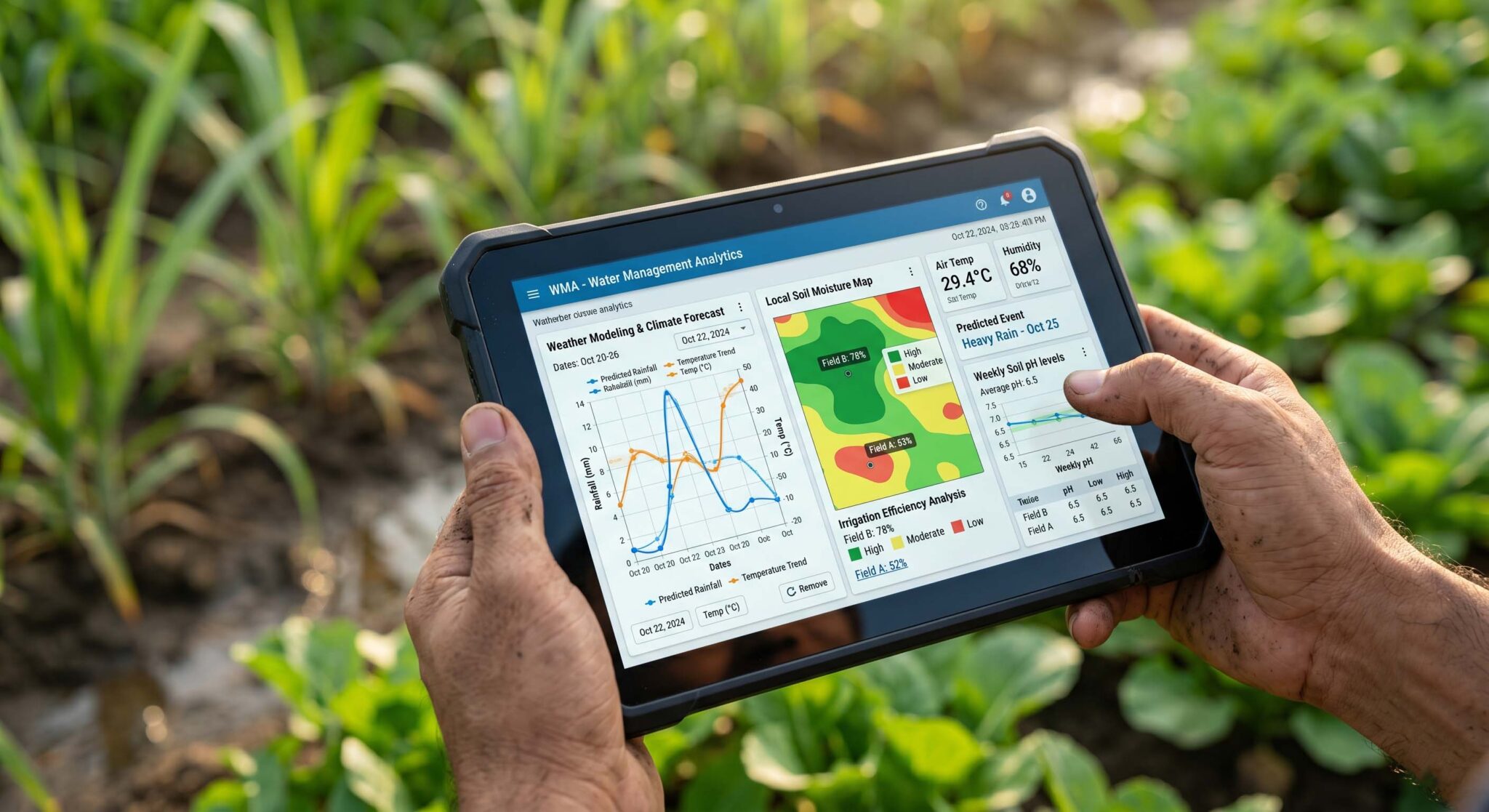
During periods of severe climatic stress, operational leaders often respond to failing yields by implementing uniform budget cuts across their land development funds, such as halting 15 percent of planned infrastructure upgrades to save cash. Many believe they can manage environmental risks by simply waiting for the weather to normalize. While they may preserve short-term capital, they are directly exposing their multi-million dollar land assets to permanent ecological degradation. However, there is a viable path forward. Instead of solely focusing on indiscriminate financial freezing, companies can adopt an investor mindset and take a more nuanced approach to their physical infrastructure. This involves identifying specific climate vulnerabilities through AI-driven weather forecasting and allocating targeted resources to controlled-environment agriculture (CEA) and automated water recycling plants that offer greater potential for long-term return on investment (ROI). By eliminating the reliance on unpredictable open-field weather, successful agribusinesses can potentially stabilize up to 30 percent of their at-risk revenue, reinvesting this secure capital into further climate-resilient land acquisitions.
"While it’s tempting to rely on historical data to predict future harvests, we believe that enterprises that double down on climate-resilient infrastructure will not only protect their portfolios but will emerge as the safest havens for agricultural capital."
Architecting Resilience: A Call to Action for Portfolio Managers
Despite the substantial capital expenditure required for environmental adaptation, the current climatic shift presents a pivotal opportunity for forward-thinking portfolio managers to unlock immense value for their funds, leveraging climate-resilient infrastructure to drive secure growth and establish a robust agricultural agenda for the future. In times of ecological transition, it may be tempting for traditional land holding companies to retract and adopt a highly conservative, wait-and-see approach. However, we firmly believe that organizations that choose to actively upgrade their farming assets with future-proof environmental technology will navigate climate hurdles more swiftly and emerge from these global challenges in a position of distinct structural dominance. Now is the defining moment for agribusiness leaders to pivot their focus intensely toward unshakeable climate resilience.