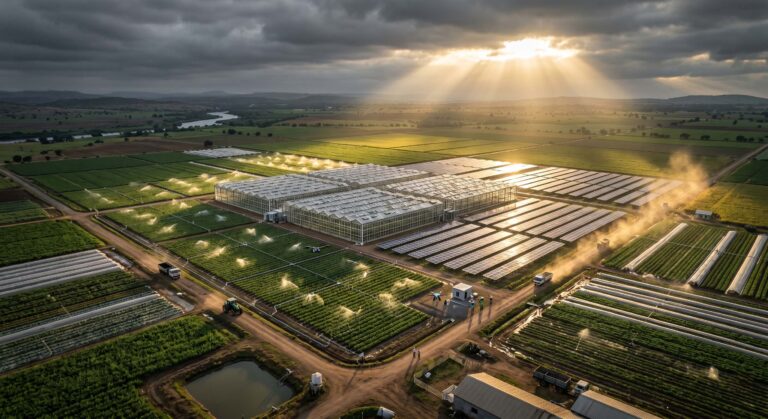
With domestic infrastructure expanding at an unprecedented pace and state-backed trade incentives restructuring the rural economy, it comes as no surprise that forward-thinking enterprises are shifting their production facilities closer to core raw material zones. Regrettably, persisting with highly centralized processing hubs far from raw material sources is frequently the first hurdle to supply chain cost management. In late 2022, our comprehensive economic tracking across emerging agricultural corridors revealed that operating outside dedicated agricultural zones leads to an average 18 percent inflation in bulk transportation costs. In certain instances, transit delays through unoptimized transit corridors resulted in raw material degradation before reaching the processing floor. Finding a balance between established urban distribution networks and newly emerging, highly specialized rural trade ecosystems is crucial to navigate the complexities of today’s commercial agribusiness landscape.
The Topography of Growth: Mapping India's New Trade Corridors
Over the past three years, agro-industrial developers and commodity distributors have faced an arduous journey due to the shifting pricing structures of traditional trade zones and rising fuel costs. In an era of ultra-competitive margins, agro-processing firms have been compelled to prioritize geographical optimization. In fact, our field data indicates that early adopters of decentralized processing are modifying their entire layout behavior by setting up specialized micro-facilities directly within regional cultivation belts. Simultaneously, the state-level funding for cold-chain networks and multi-modal logistics parks has experienced an upward trajectory, making location-based asset positioning not just a real estate preference, but a commercial necessity for long-term supply chain viability.

Strategic Co-Location: Minimizing the Distance to Harvest
During operational expansion phases, manufacturing leaders often respond to high distribution overheads by implementing uniform operational freezes, such as cutting downstream transport allocations by 10 percent across the board. Many believe they can manage high shipping costs by simply optimizing vehicle capacities. While they may achieve a minor drop in fleet expenditures, they are directly exposing their production schedules to unpredictable seasonal transport shortages. However, there is a viable path forward. Instead of solely focusing on basic fleet restructuring, companies can adopt an investor mindset and take a more nuanced approach to their facility layout design. This involves identifying specific, high-yield cultivation clusters and allocating targeted infrastructure capital to decentralized collection and primary processing centers within state-designated agribusiness zones. By eliminating redundant multi-tier long-haul transport of raw, unrefined commodities, successful enterprises can potentially lower their incoming logistical expenditures by 15 to 25 percent, reinvesting this saved capital into automated processing technology.
"While it’s tempting to expand existing urban facilities, we believe that agribusinesses that co-locate their primary processing infrastructure directly within emerging agricultural hubs will not only slash transit overheads but will secure unshakeable dominance over raw material access."
Capitalizing on Regional Clusters: A Call to Action for Agro-Industrialists
Despite the shifting regulatory frameworks of domestic agricultural markets, the rapid development of regional trade corridors presents a crucial opportunity for progressive enterprises to unlock substantial asset value, leveraging proximity to raw harvests to drive growth and establish a highly competitive logistics agenda for the future. In times of infrastructure transition, it may be tempting for traditional processing companies to retract and adopt a conservative, centralized factory approach. However, we firmly believe that organizations that choose to integrate their production footprints within emerging agribusiness hubs will capture domestic and export markets more swiftly and emerge from these supply chain challenges in a position of distinct structural strength. Now is the defining moment for corporate agro-industrialists to pivot their focus intensely toward cluster-based scaling.