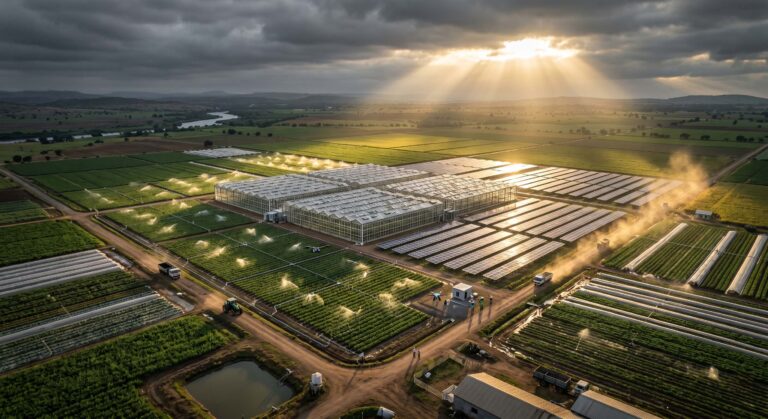
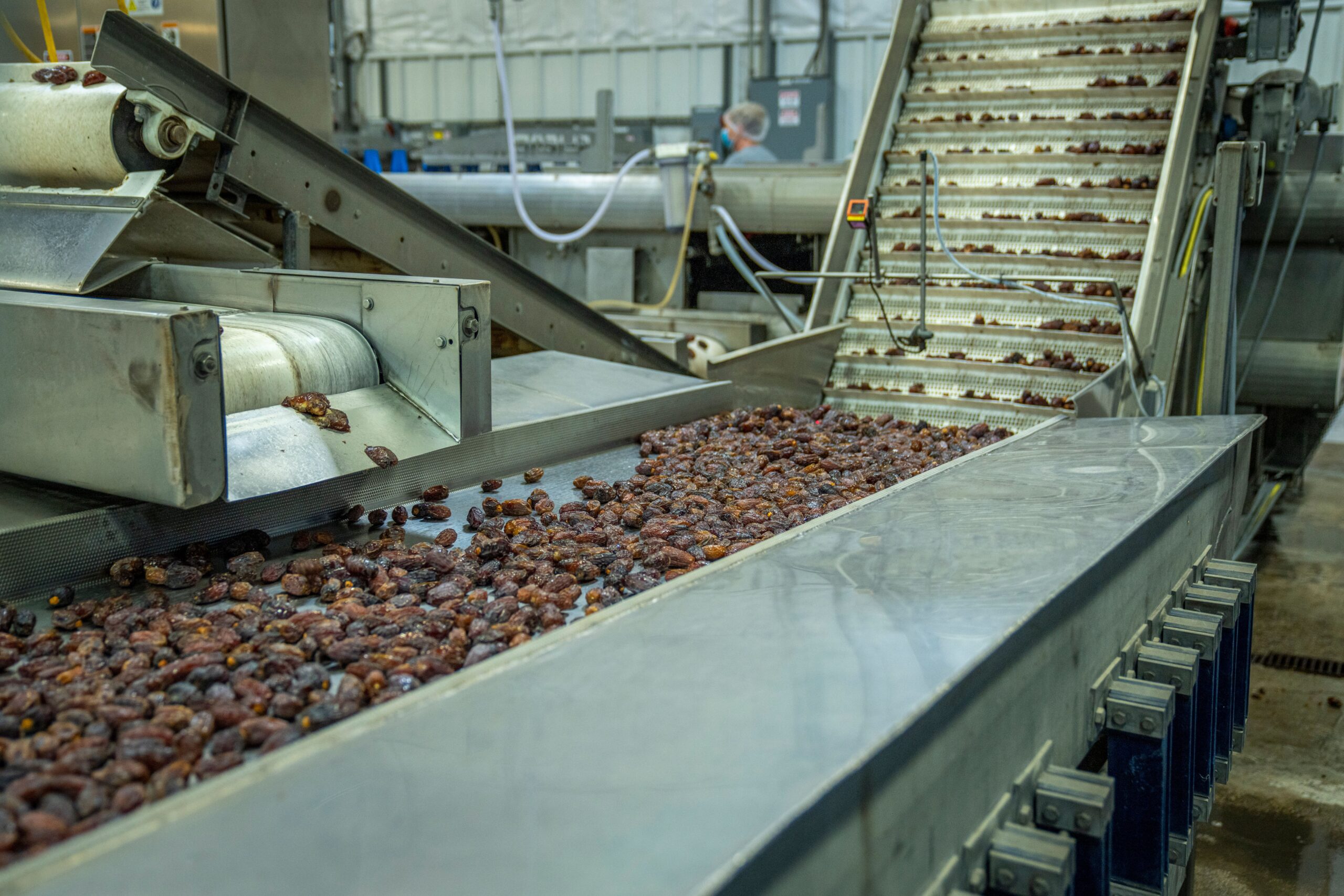
With global demand for processed agricultural goods surging, it comes as no surprise that manufacturing facilities are under immense pressure to scale their daily operations. Regrettably, relying on traditional, labor-intensive sorting and processing lines is frequently the first hurdle to maximizing factory output. In mid-2021, our operational audits across regional agro-processing hubs revealed that a heavy dependence on manual labor leads to an average 20 percent bottleneck in daily factory throughput. In certain instances, human error during the quality control phase resulted in inconsistent product batches, costing facilities lucrative wholesale contracts. Finding a balance between maintaining high production quality and scaling output volume is crucial to navigate the complexities of today’s agro-industrial landscape.
Overcoming the Manual Bottleneck: The Shift to Smart Sorting
Over the past decade, plant managers have faced an arduous journey due to the rapid shifts in labor availability and the rising costs associated with managing a massive manual workforce. In an era of high-speed manufacturing, agro-processing facilities have been compelled to prioritize mechanical efficiency. In fact, early adopters of industrial modernization are modifying their entire factory floor behavior by integrating optical sorting machines, gravity-fed conveyor systems, and automated packaging units. Simultaneously, the cost of systemic delays and workforce management has experienced an upward trajectory, making smart factory automation not just a technological upgrade, but a commercial necessity for survival.
The ROI of High-Capacity Factory Infrastructure
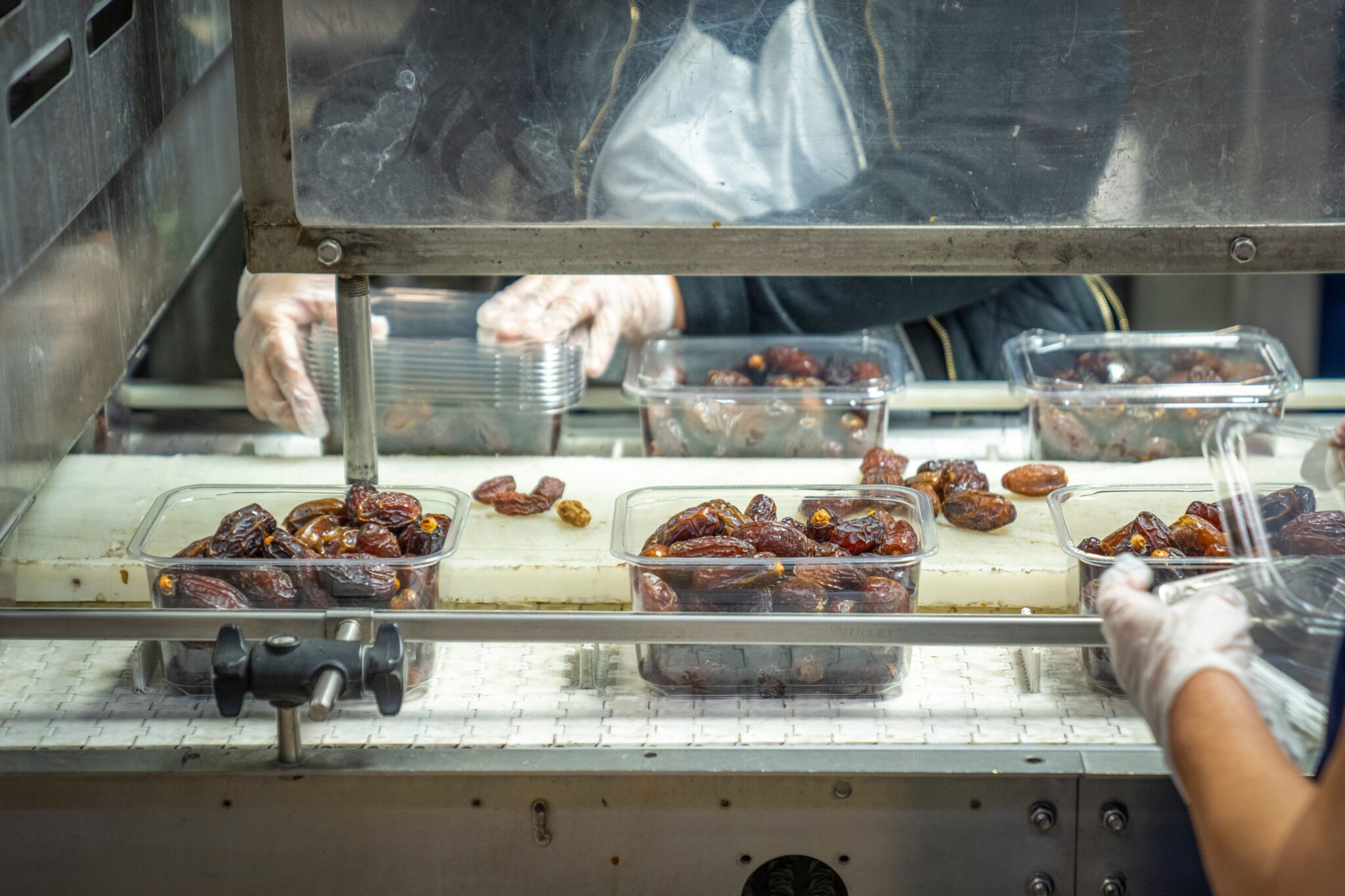
During periods of peak seasonal harvest, operations leaders often respond to production backlogs by implementing uniform increases in shift hours, such as indiscriminately adding 10 percent more manual laborers to the floor. Many believe they can manage the surge by simply throwing more manpower at the processing line. While they may achieve a temporary bump in output, they are directly harming their long-term profit margins due to skyrocketing overtime costs. However, there is a viable path forward. Instead of solely focusing on indiscriminate labor scaling, companies can adopt an investor mindset and take a more nuanced approach to their infrastructure. This involves identifying specific workflow bottlenecks through time-motion studies and allocating targeted resources to robotic automation that offers greater potential for long-term return on investment (ROI). By eliminating inefficient manual handling, successful plants can potentially achieve throughput increases ranging from 15 to 30 percent, reinvesting this capital into securing larger procurement contracts.
"While it’s tempting to rely on traditional workforce scaling during demand surges, we believe that facilities that double down on smart automation will not only maximize throughput but will emerge as highly reliable manufacturing hubs as a result."
Future-Proofing the Production Line: A Call to Action for Managers
Despite the initial capital expenditure required for mechanical upgrades, the coming years present a pivotal opportunity for forward-thinking plant operators to unlock substantial value for their infrastructure, leveraging advanced automation to drive growth and establish a high-capacity agenda for the future. In times of industrial transition, it may be tempting for legacy factories to retract and adopt a highly conservative, manual-first approach. However, we firmly believe that organizations that choose to adopt foundational automated systems will navigate production demands more swiftly and emerge from these manufacturing challenges in a position of distinct operational strength. Now is the defining moment for agro-processing leaders to pivot their focus intensely toward automated scale.