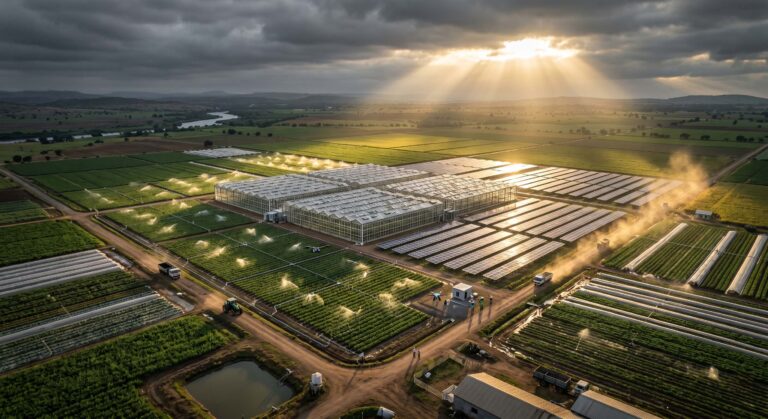
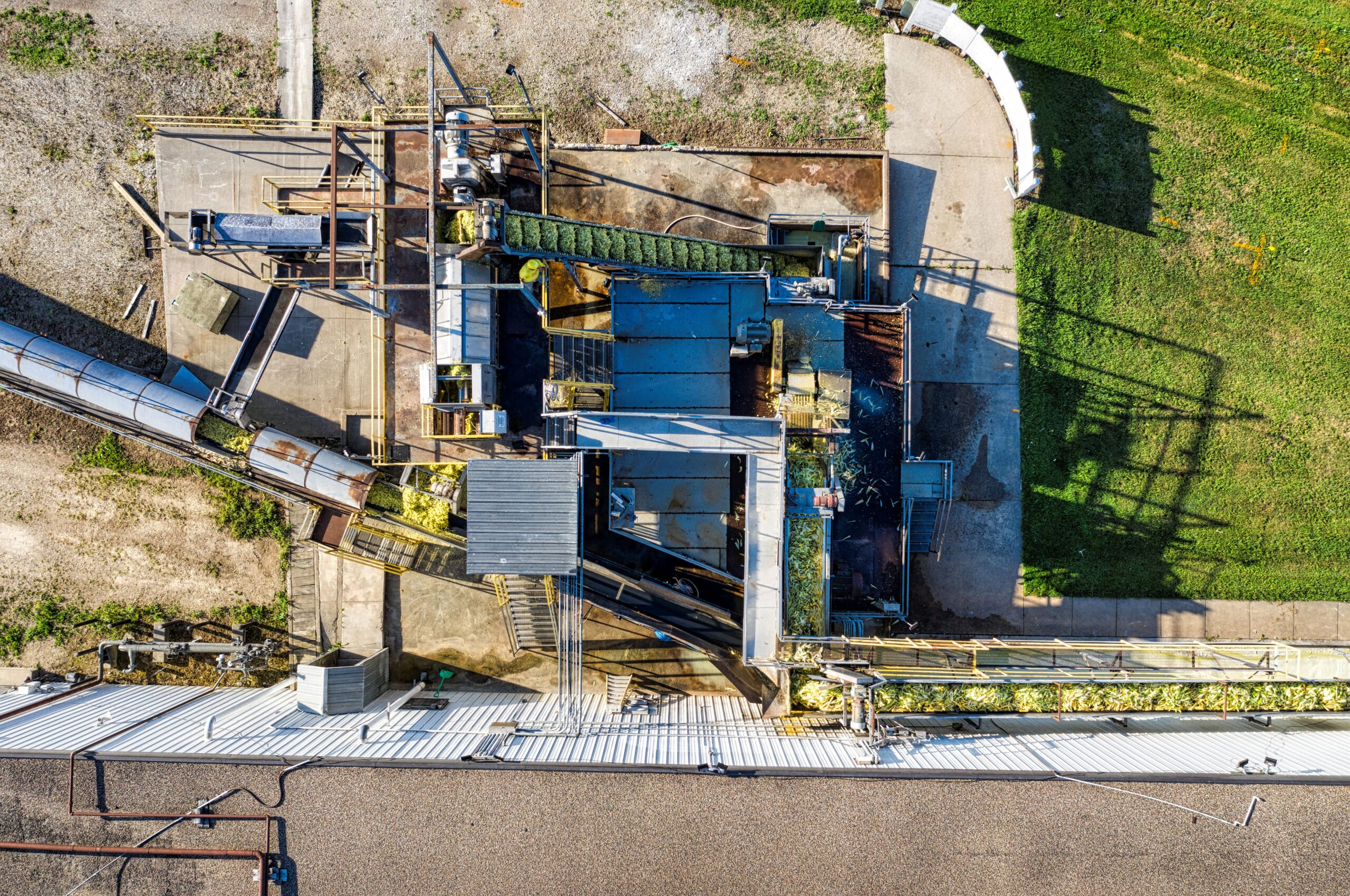
With global industrial demands rising and environmental resources depleting, it comes as no surprise that agro-processing facilities are actively seeking highly efficient manufacturing models. Regrettably, traditional water-intensive methodologies are frequently the first hurdle to sustainable profitability. In early 2019, our analysis across multiple large-scale processing clusters revealed that an over-reliance on single-use water systems leads to an average 30 percent excess in utility expenditures annually. In certain instances, production halts due to regional water rationing cost upwards of 15 percent in overall output. Finding a balance between high-capacity production and modern, data-driven resource recycling is crucial to navigate the complexities of today’s industrial landscape.
Shifting the paradigm: From single-use to closed-loop
Over the past few years, facility operators have faced an arduous journey due to the rapid shifts in environmental regulations and the rising costs associated with industrial waste management. In an era of strict ecological oversight, manufacturing entities have been compelled to prioritize water efficiency. In fact, early adopters of sustainable processing are modifying their entire operational behavior by integrating advanced filtration systems and recycling wastewater directly back into their primary cooling lines. Simultaneously, the cost of fresh-water procurement has experienced an upward trajectory, making closed-loop recycling not just a regulatory compliance measure, but a commercial necessity.
The investor approach to industrial infrastructure
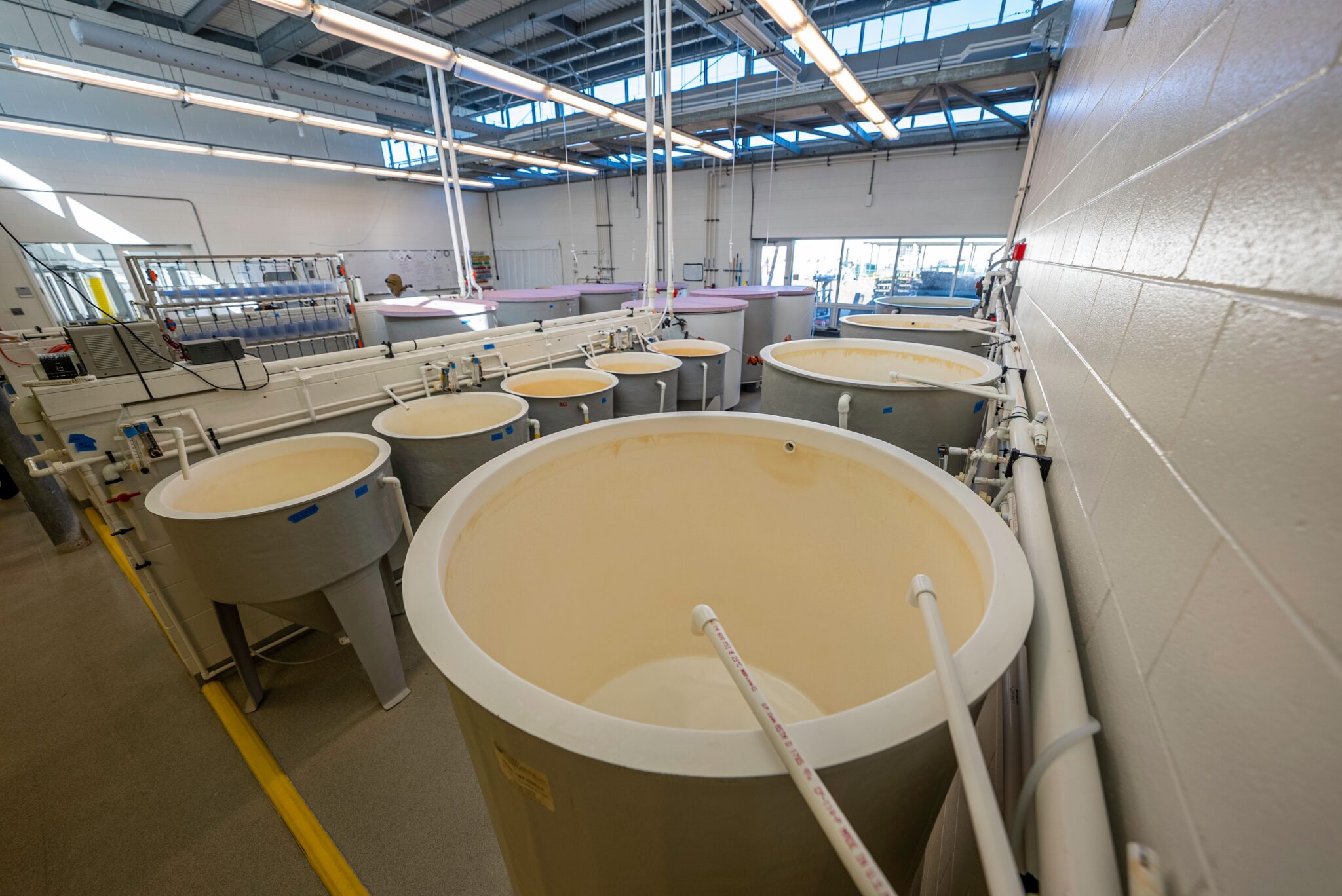
During challenging economic times, plant managers often respond to rising utility bills by implementing uniform production cuts across their factory floors, such as reducing operating hours by 10 percent. Many believe they can manage high overheads by simply producing less. While they may achieve temporary utility savings, they are directly harming their long-term market share and fulfillment capabilities. However, there is a viable path forward. Instead of solely focusing on indiscriminate operational cuts, companies can adopt an investor mindset and take a more nuanced approach to their facility upgrades. This involves identifying specific water-heavy bottlenecks through utility auditing and allocating targeted resources to automated purification technology that offers greater potential for long-term return on investment (ROI). By eliminating inefficient water discharge, successful plants can potentially achieve utility savings ranging from 15 to 25 percent, reinvesting this capital into capacity expansion.
"While it’s tempting to rely on legacy manufacturing designs, we believe that facilities that double down on sustainable water recycling will not only bypass regulatory bottlenecks but will also emerge as highly profitable industry leaders as a result."
How to get started: A call to action for plant operators
Despite the ongoing shifts in environmental policies, the current year presents a pivotal opportunity for forward-thinking factory operators to unlock substantial value for their infrastructure, leveraging recycling efficiency to drive growth and establish a clear sustainability agenda for the future. In times of regulatory transition, it may be tempting for traditional plants to retract and adopt a conservative, wait-and-see approach. However, we firmly believe that organizations that choose to adopt foundational closed-loop systems will recover more swiftly from resource shortages and emerge from these operational challenges in a position of immense strength. Now is the defining moment for industrial leaders to pivot their focus intensely toward sustainable manufacturing scale.