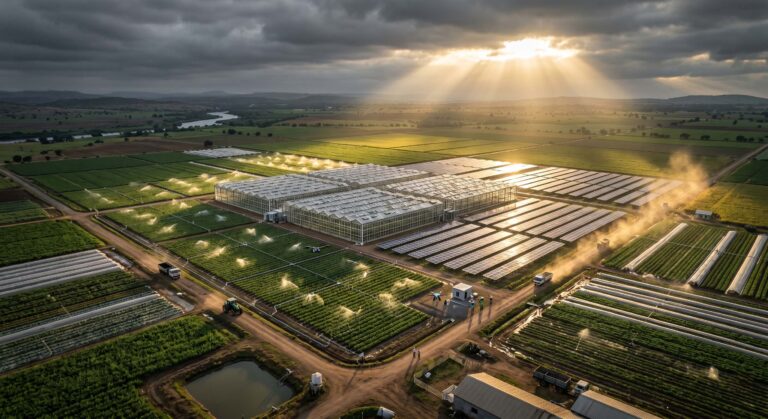
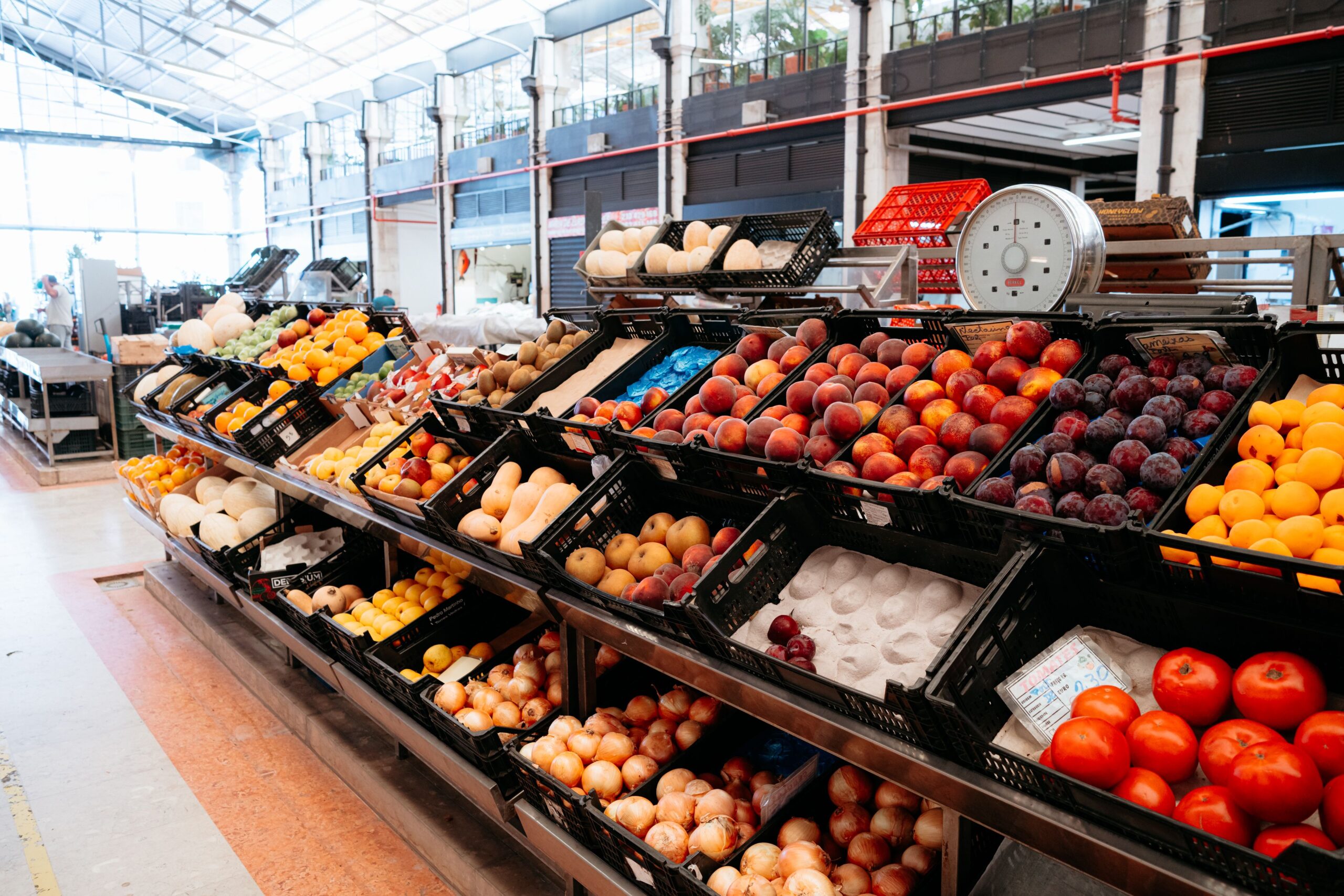
With the European retail sector offering lucrative premiums for high-quality fresh produce, it comes as no surprise that ambitious agribusinesses are actively targeting EU supermarkets. Regrettably, treating international export as a mere extension of domestic distribution is frequently the first hurdle to securing border clearance. In early 2021, our analysis of cross-border trade revealed that an inability to comply with the European Union’s stringent Maximum Residue Levels (MRLs) for pesticides leads to immediate market withdrawal and severe financial penalties. In certain instances, entire shipments were rejected because they exceeded the default tolerance limit of 0.01 mg/kg for unauthorized substances. Finding a balance between high-yield agricultural production and uncompromising chemical compliance is crucial to navigate the complexities of today’s European trade landscape.
Decoding EU Regulations: The Zero-Tolerance Paradigm
Over the past year, non-EU suppliers have faced an arduous journey due to the rapid shifts in European food safety legislation and the rising costs of advanced laboratory testing. In an era of acute consumer awareness, European buyers have been compelled to prioritize food safety above all else. In fact, forward-thinking exporters are modifying their entire pre-harvest behavior by integrating strict Integrated Pest Management (IPM) strategies to drastically reduce reliance on traditional chemical controls. Simultaneously, the regulatory landscape has experienced an upward trajectory of strictness, making compliance with the EU’s MRL Regulation (Regulation 396/2005) not just a legal obligation, but a commercial necessity for maintaining fair market access and avoiding devastating trade disruptions.
The Class I Quality Mandate: Aesthetics and Consistency
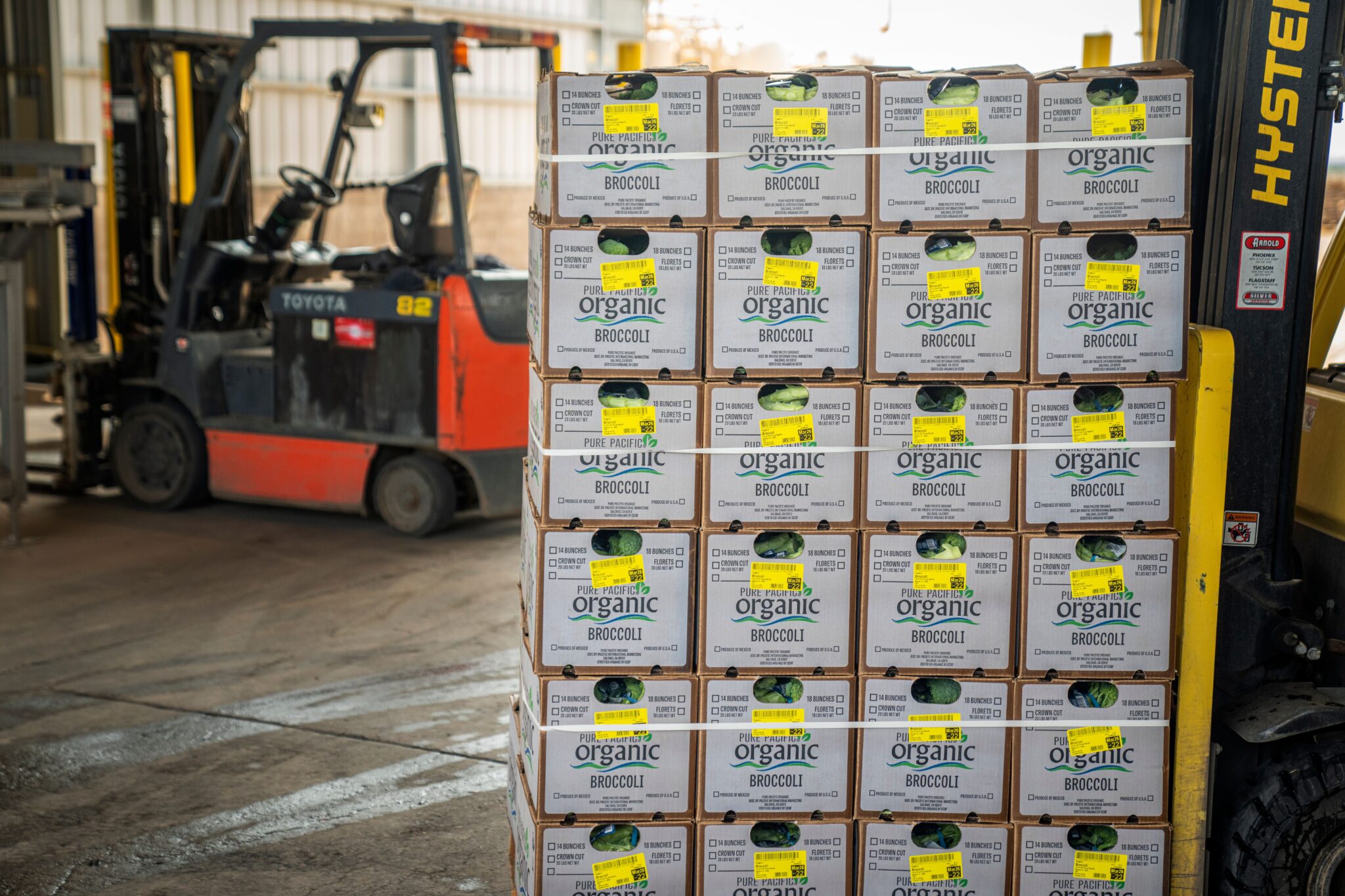
During the grading and packing phases, facility managers often respond to strict EU standards by implementing uniform but superficial sorting methods, such as only removing visibly rotting fruit. Many believe they can satisfy European supermarkets by simply avoiding total spoilage. While they may pass basic domestic checks, they are directly harming their chances of securing premium European shelf space, which almost exclusively requires “Class I” produce. However, there is a viable path forward. Instead of solely focusing on basic hygiene, packing houses can adopt an investor mindset and take a more nuanced approach to their aesthetic calibration. This involves identifying specific size codes, ensuring uniformity within a maximum weight variance of 25 grams per package, and completely eliminating abnormal external moisture or physical defects. By eliminating the risk of downgrading, successful exporters can potentially secure long-term European supermarket contracts that offer a 15 to 30 percent higher ROI compared to domestic wholesale markets.
"While it’s tempting to rely on domestic quality benchmarks, we believe that exporters who double down on strict EU MRL compliance and Class I aesthetic standards will not only secure premium shelf space but will emerge as indispensable global suppliers."
Securing the European Shelf: A Call to Action for Exporters
Despite the ongoing complexities of EU food safety legislation, the current year presents a pivotal opportunity for forward-thinking agricultural enterprises to unlock substantial value, leveraging uncompromising quality control to drive global growth and establish a clear export agenda for the future. In times of tightening international regulations, it may be tempting for regional producers to retract and adopt a highly conservative, domestic-only approach. However, we firmly believe that organizations that choose to actively upgrade their farming and packing infrastructure to meet strict European standards will navigate border checkpoints more swiftly and emerge from these compliance challenges in a position of distinct financial strength. Now is the defining moment for trade operators to pivot their focus intensely toward zero-defect global exports.