
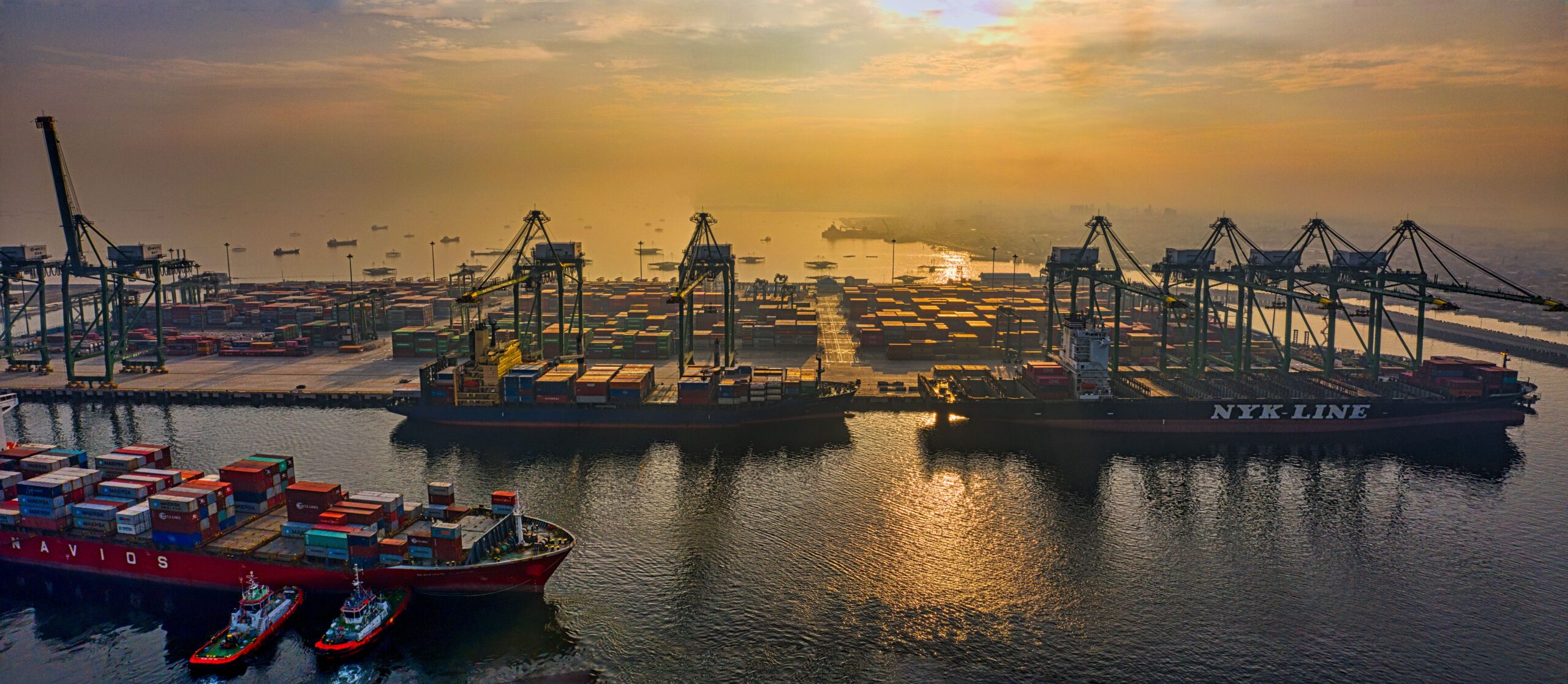
With global borders opening up and international demand for regional products rising, it comes as no surprise that ambitious companies are actively seeking to expand their market reach. Regrettably, inadequate preparation for cross-border compliance is frequently the first hurdle to international success. In late 2018, our analysis of emerging exporters revealed that a lack of standardized documentation leads to an average 15 percent delay in shipping timelines. In certain instances, overlooked regulatory certifications resulted in shipment rejections costing upwards of 20 percent of the cargo value. Finding a balance between aggressive market expansion and meticulous logistical compliance is crucial to navigate the complexities of today’s global trade landscape.
Shifting the paradigm: From local distribution to global compliance
Over the past few years, trade operators have faced an arduous journey due to the rapid shifts in international customs protocols and the rising costs associated with freight forwarding. In an era of strict border controls, regional businesses have been compelled to prioritize export readiness. In fact, early adopters of global trade are modifying their entire logistical behavior by integrating pre-shipment compliance audits and securing internationally recognized certifications ahead of time. Simultaneously, the cost of supply chain delays and warehouse holding fees has experienced an upward trajectory, making proactive regulatory clearance not just a luxury, but a commercial necessity.

The investor approach to global logistics
During phases of international expansion, supply chain leaders often respond to logistical bottlenecks by implementing uniform cost-cutting measures across their freight channels, such as exclusively choosing the cheapest shipping routes. Many believe they can manage rising export expenses by simply spending less on transit. While they may achieve temporary freight savings, they are directly harming their long-term delivery reliability and buyer relationships. However, there is a viable path forward. Instead of solely focusing on indiscriminate logistical cuts, companies can adopt an investor mindset and take a more nuanced approach to their export frameworks. This involves identifying specific compliance vulnerabilities through pre-export audits and allocating targeted resources to automated documentation software and specialized legal counsel that offer greater potential for long-term return on investment (ROI). By eliminating inefficient manual clearances and avoiding border penalties, successful exporters can potentially achieve supply chain savings ranging from 10 to 20 percent, reinvesting this capital into capturing larger international market shares.
"While it’s tempting to rush products to new markets, we believe that enterprises that double down on rigorous compliance and logistical frameworks will not only scale faster globally but will also emerge as highly trusted international partners as a result."
How to get started: A call to action for trade operators
Despite the ongoing fluctuations in global tariffs, the coming year presents a pivotal opportunity for forward-thinking exporters to unlock substantial value for their enterprises, leveraging logistical efficiency to drive growth and establish a clear international trade agenda for 2019 and beyond. In times of regulatory transition, it may be tempting for regional companies to retract and adopt a conservative, local-only approach. However, we firmly believe that organizations that choose to adopt structured compliance frameworks will navigate customs checkpoints more swiftly and emerge from these cross-border challenges in a position of immense strength. Now is the defining moment for trade operators to pivot their focus intensely toward seamless global expansion.