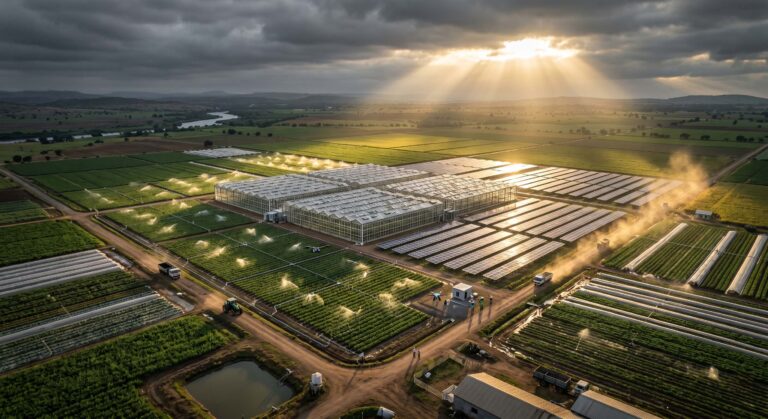
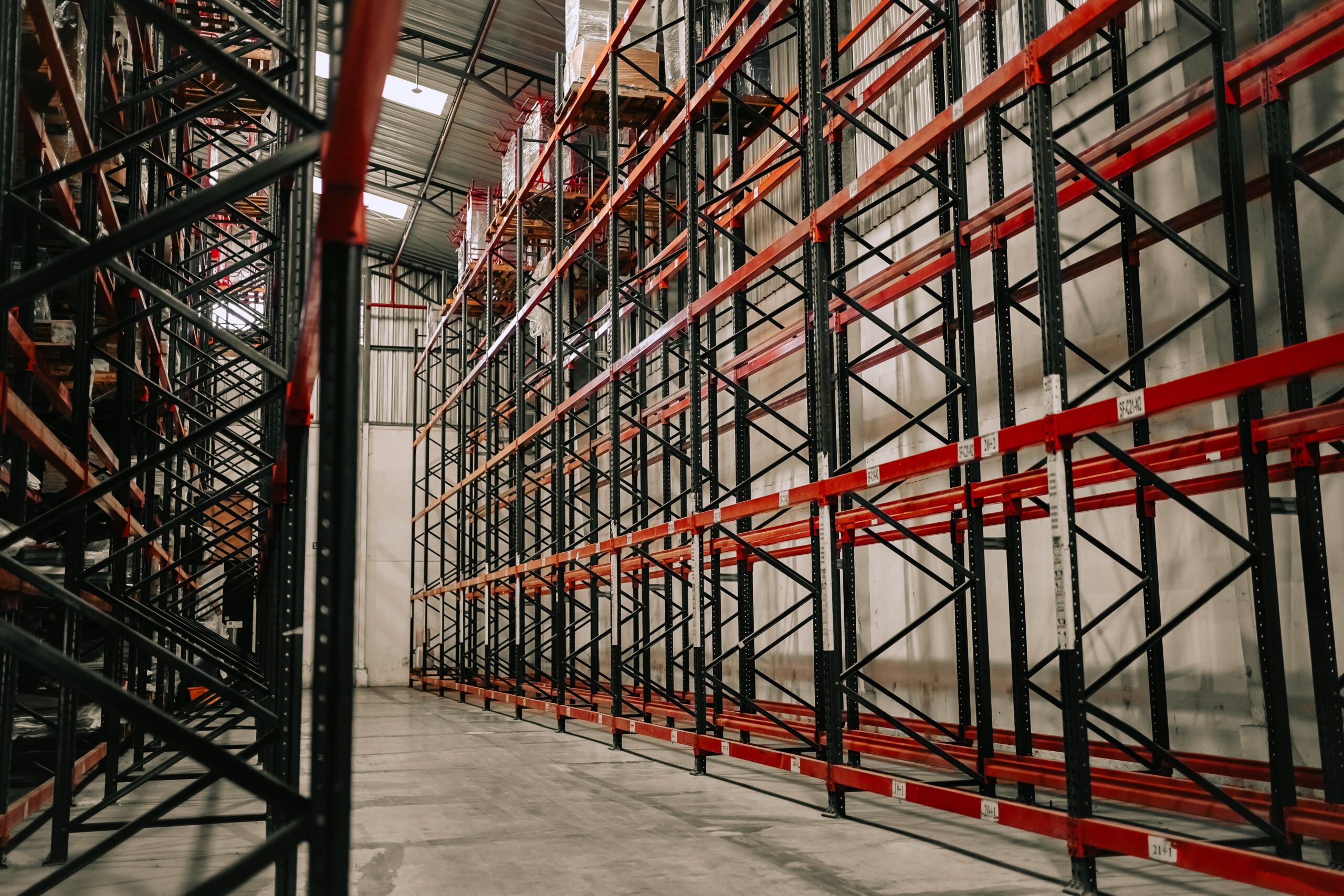
With the global agricultural sector under intense pressure to maximize yield per acre, it comes as no surprise that supply chain operators are scrutinizing every stage of the food lifecycle. Regrettably, treating post-harvest handling as an afterthought is frequently the first hurdle to maximizing gross agricultural margins. In late 2024, our infrastructural audits across regional distribution networks revealed that inadequate climate control and rough physical handling lead to an average 25 percent loss of perishable goods before they even reach the retail shelf. In certain instances, broken cold-chain links during transit resulted in entire shipments of premium horticulture being downgraded to waste. Finding a balance between rapid harvest execution and meticulous post-harvest preservation is crucial to navigate the complexities of today’s high-stakes agricultural logistics.
Arresting Decay: The Shift to Advanced Cold-Chain Infrastructure
Over the past few years, facility managers have faced an arduous journey due to the rapid shifts in seasonal temperatures and the rising costs associated with industrial refrigeration. In an era of uncompromising global quality standards, agro-processing entities have been compelled to prioritize shelf-life extension over mere transit speed. In fact, early adopters of zero-waste frameworks are modifying their entire post-harvest behavior by integrating rapid pre-cooling chambers directly at the farm gate and utilizing AI-driven atmospheric control in their storage silos. Simultaneously, the financial penalty for product spoilage has experienced a sharp upward trajectory, making advanced preservation infrastructure not just an operational luxury, but a commercial necessity for long-term profitability.
The Investor Approach to Product Preservation
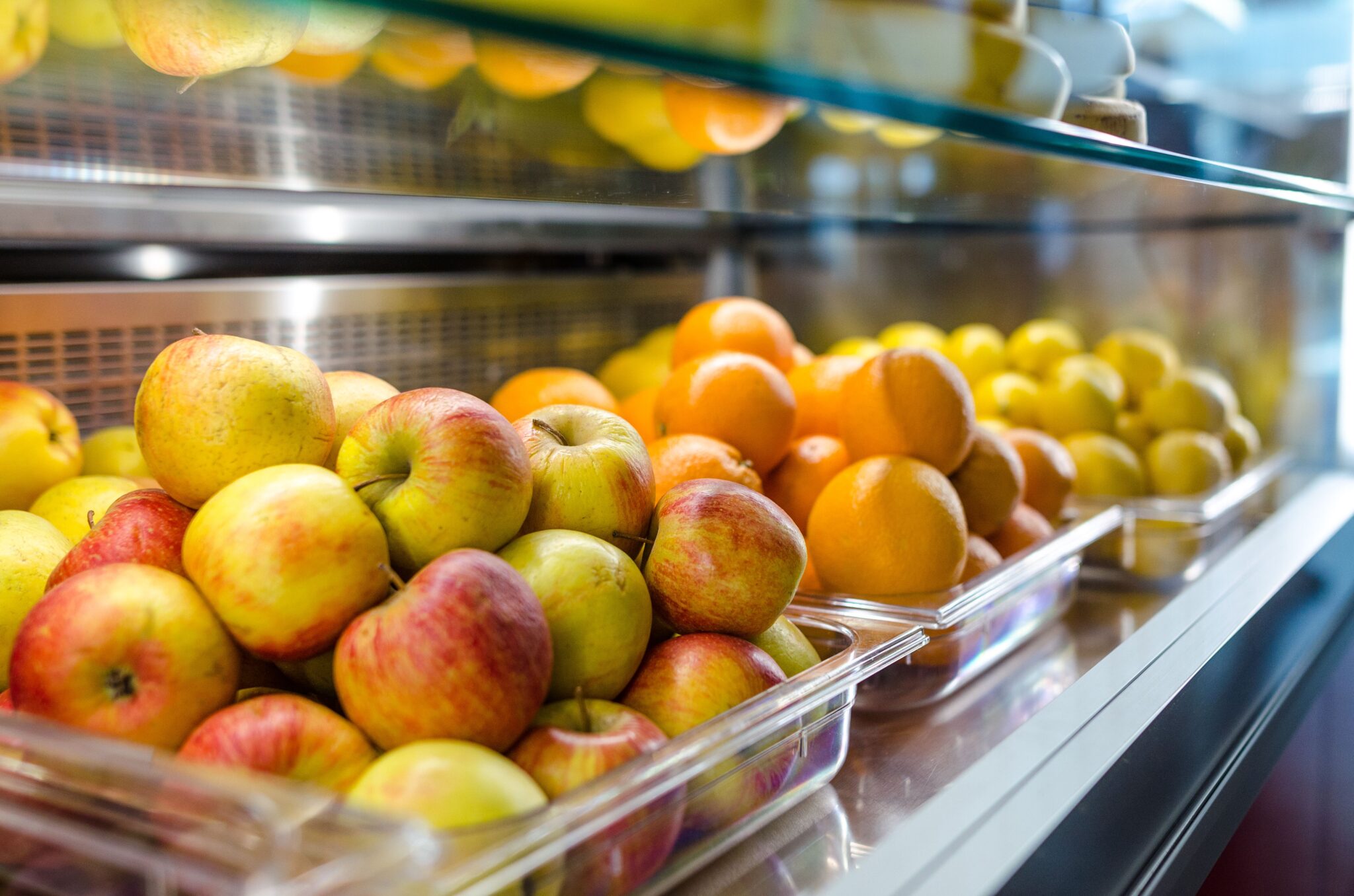
During peak harvest surges, operations leaders often respond to storage bottlenecks by implementing uniform cost-cutting measures across their warehousing, such as turning off climate control in secondary transit zones to save energy. Many believe they can manage high overheads by simply rushing the product to market without proper thermal conditioning. While they may achieve a temporary drop in utility bills, they are directly destroying their core product’s market value through accelerated decay. However, there is a viable path forward. Instead of solely focusing on indiscriminate utility cuts, agribusinesses can adopt an investor mindset and take a more nuanced approach to their storage infrastructure. This involves identifying specific temperature breach points through thermal mapping and allocating targeted resources to automated, modular cold-storage units that offer greater potential for long-term return on investment (ROI). By eliminating systemic post-harvest spoilage, successful operators can potentially recover 15 to 20 percent of their total harvested value, reinvesting this capital into further capacity expansion.
"While it’s tempting to focus exclusively on growing more crops, we believe that enterprises that double down on rigorous post-harvest preservation infrastructure will not only eliminate systemic waste but will capture maximum market value as a result."
Engineering a Zero-Waste Future: A Call to Action for Managers
Despite the high initial capital expenditure required for modern refrigeration, the current technological landscape presents a pivotal opportunity for forward-thinking supply chain operators to unlock substantial value for their facilities, leveraging advanced preservation to drive growth and establish a zero-waste agenda for the future. In times of fluctuating energy costs, it may be tempting for traditional warehouses to retract and adopt a highly conservative, ambient-storage approach. However, we firmly believe that organizations that choose to adopt foundational cold-chain frameworks will navigate climate challenges more swiftly and emerge from these logistical hurdles in a position of immense structural strength. Now is the defining moment for agro-processing leaders to pivot their focus intensely toward flawless post-harvest execution.