
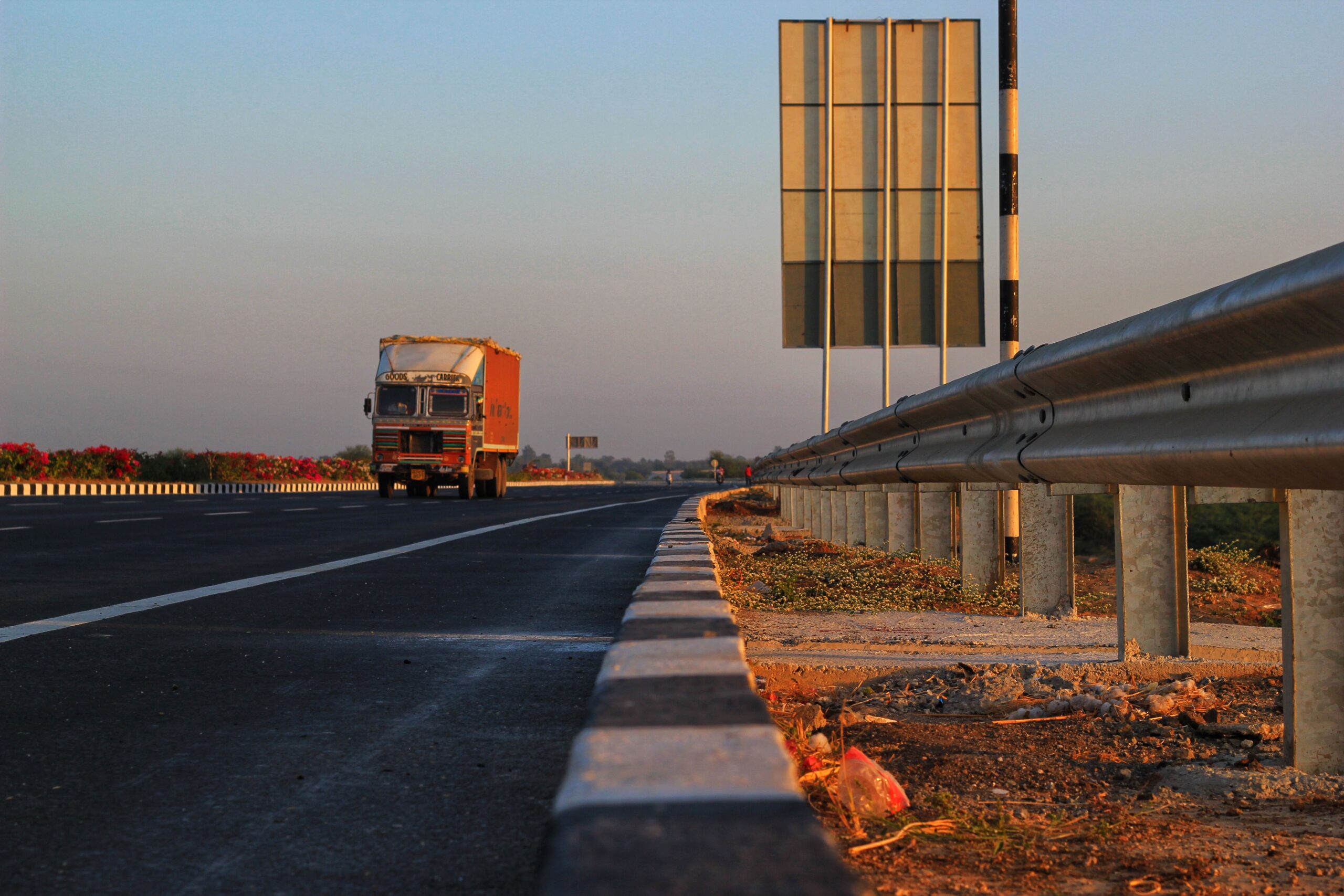
With global trade networks experiencing unprecedented stress and border protocols shifting overnight, it comes as no surprise that corporate enterprises are urgently re-evaluating their logistical dependencies. Regrettably, relying on rigid, highly optimized linear supply chains is frequently the first point of failure during a global crisis. In mid-2020, our real-time analysis of international freight operations revealed that an over-reliance on single-source suppliers leads to an average 35 percent delay in manufacturing fulfillment. In certain instances, complete logistical standstills resulted in inventory shortages that cost companies a significant portion of their annual market share. Finding a balance between cost-efficient lean manufacturing and robust logistical redundancy is crucial to navigate the complexities of today’s disrupted business landscape.
Breaking the Linear Chain: The Need for Agility
Over the past few months, supply chain managers have faced an arduous journey due to the rapid closures of international ports and the unpredictable availability of commercial cargo space. In an era of profound logistical uncertainty, corporations have been compelled to prioritize localized resilience over globalized cost-savings. In fact, forward-thinking enterprises are modifying their entire procurement behavior by integrating decentralized regional warehousing and multi-sourcing critical components. Simultaneously, the cost of emergency air freight and expedited shipping has experienced an astronomical upward trajectory, making an agile, pre-planned logistics framework not just a luxury, but a commercial necessity for survival.
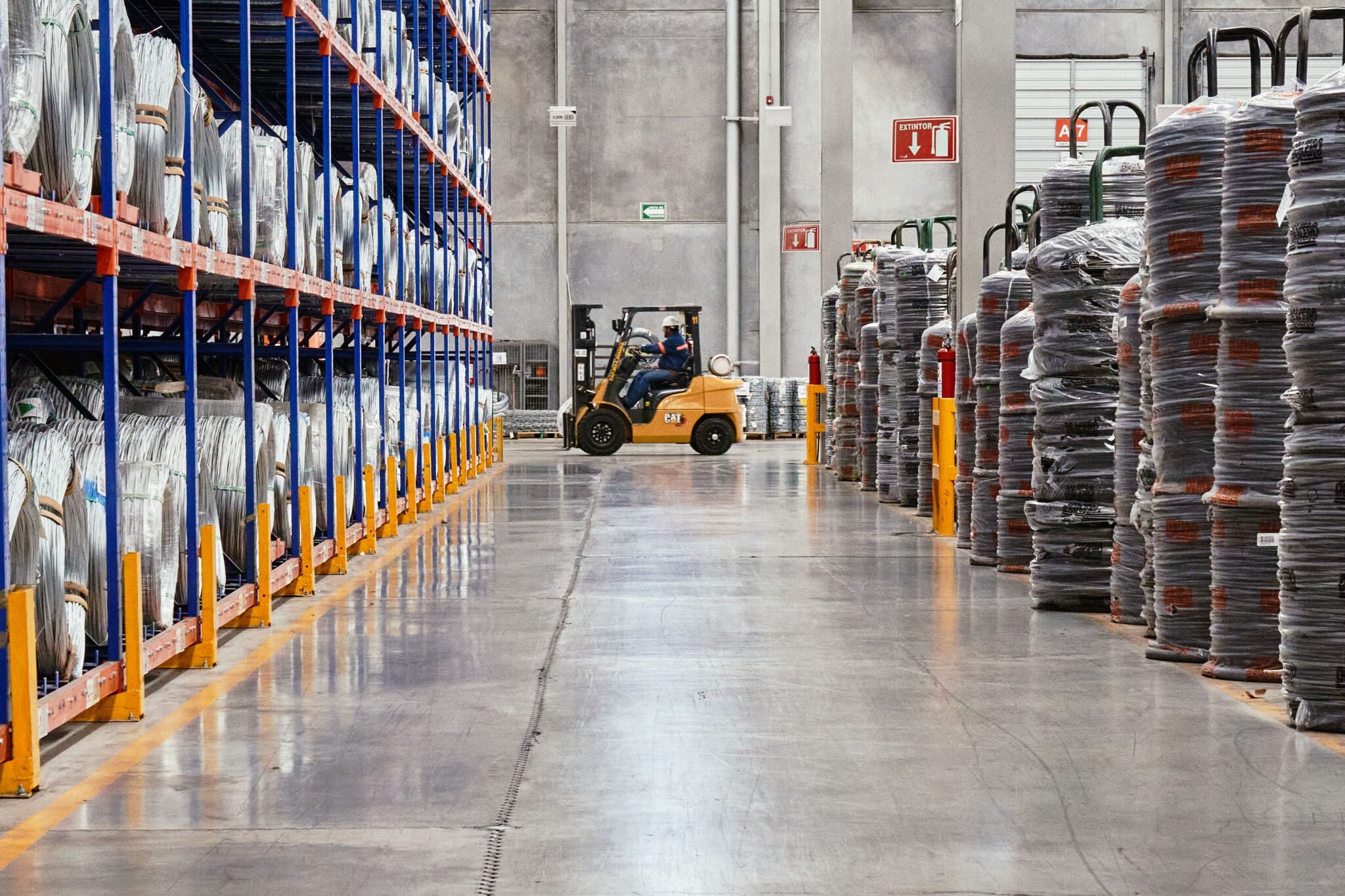
The Investor Approach to Logistics Infrastructure
During periods of severe supply chain shock, operations leaders often respond to rising freight costs by implementing uniform budget freezes, such as halting 10 percent of all non-essential shipments. Many believe they can manage the disruption by simply pausing operations and waiting for normalcy. While they may achieve short-term cash conservation, they risk permanently alienating their core customer base due to unfulfilled orders. However, there is a viable path forward. Instead of solely focusing on indiscriminate operational halts, companies can adopt an investor mindset and take a more nuanced approach to their distribution channels. This involves identifying critical vulnerabilities within the supply chain and allocating targeted resources to regional micro-fulfillment centers that offer greater potential for long-term return on investment (ROI). By eliminating the bottleneck of a single central warehouse, successful brands can potentially salvage 15 to 20 percent of at-risk revenue, reinvesting this capital into strengthening localized delivery fleets.
"While it’s tempting to pause operations and wait out the storm, we believe that companies that double down on decentralized, agile logistics will not only survive current disruptions but will emerge as highly reliable industry partners as a result."
Fortifying the Future: A Call to Action for Supply Chain Leaders
Despite the ongoing volatility in global transit, the current logistical shifts present a pivotal opportunity for agile corporate leaders to unlock substantial long-term value, leveraging resilient infrastructure to drive growth and establish a shock-proof operational agenda for the future. In times of profound uncertainty, it may be tempting for traditional companies to retract and adopt a highly conservative, wait-and-see approach. However, we firmly believe that organizations that choose to actively rebuild their networks with built-in redundancies will recover more swiftly from material shortages and emerge from these global challenges in a position of distinct competitive strength. Now is the defining moment for supply chain executives to pivot their focus intensely toward structural resilience.