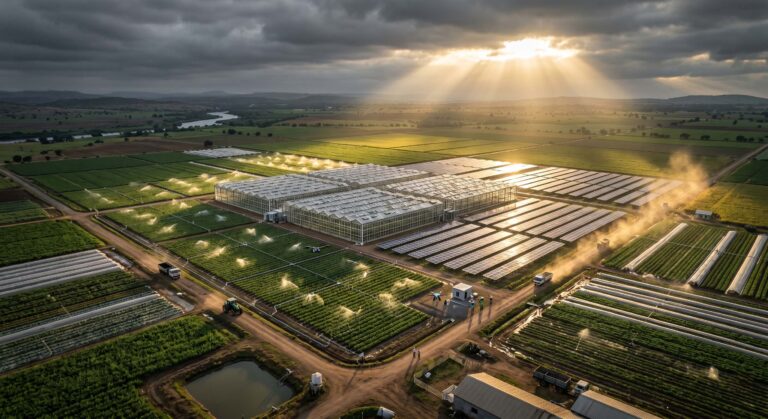
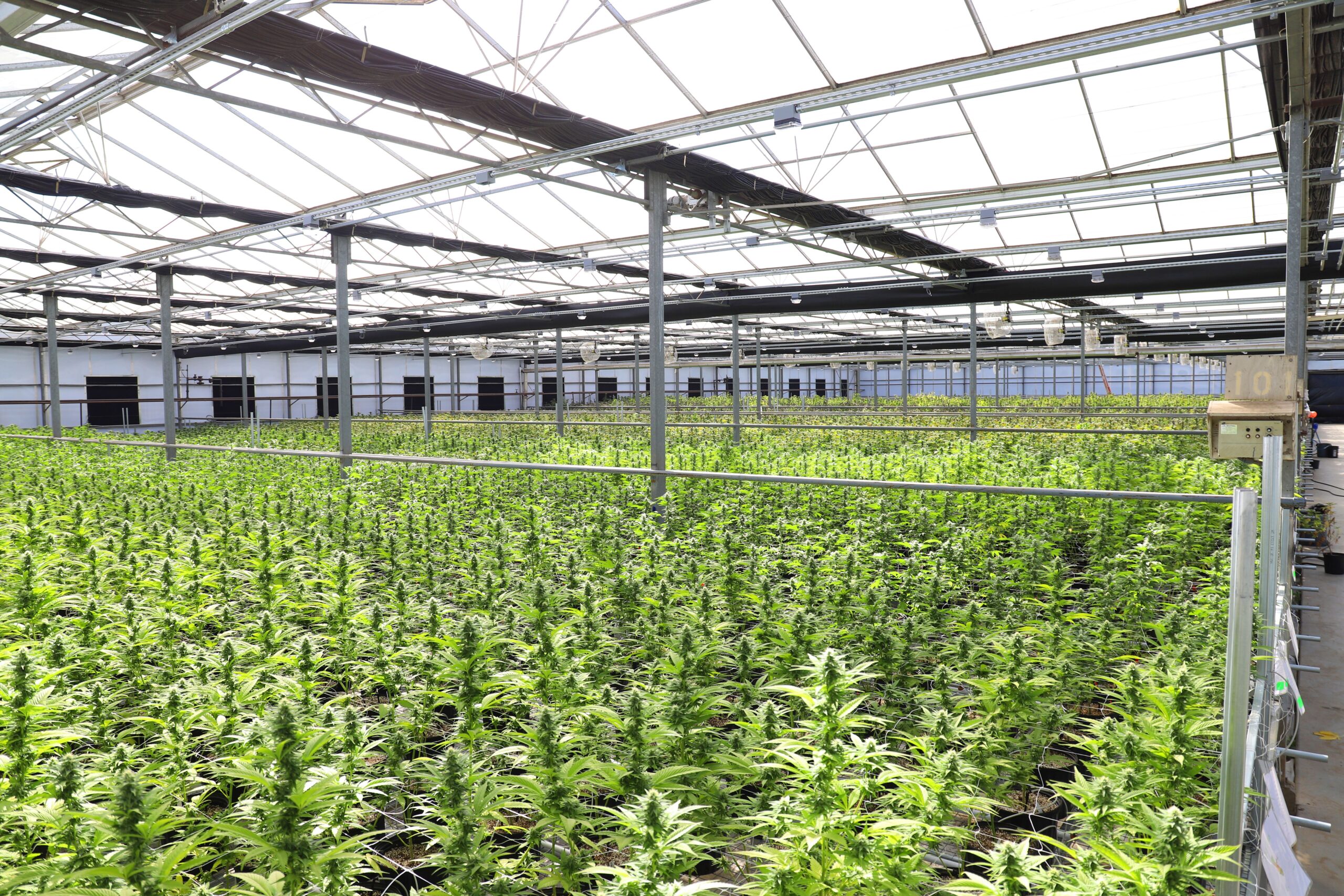
With global luxury food markets expanding rapidly, it comes as no surprise that ambitious farm operators are shifting their attention toward fresh produce exports. Regrettably, pursuing sheer production volume without strict quality calibration is frequently the first hurdle to entering international supply chains. In mid-2020, our rigorous auditing across high-value crop clusters revealed that an inability to meet precision weight, shape, and sugar-content standards leads to an average 25 percent rejection rate at overseas port checkpoints. In certain instances, entire shipments of premium fruits were discarded due to trace chemical variations, causing massive financial losses. Finding a balance between optimal orchard yield and zero-defect quality compliance is crucial to navigate the complexities of today’s premium horticultural landscape.
Quality Over Quantity: Calibrating for Premium Global Standards
Over the past three years, commercial fruit and vegetable growers have faced an arduous journey due to the rapid tightening of international chemical residue limits and the rising costs of temperature-controlled logistics. In an era of uncompromising consumer expectations, premium distributors have been compelled to prioritize quality over volume. In fact, early adopters of high-value horticulture are modifying their entire farm behavior by introducing mechanical graders, automated sorting lines, and organic pest control measures months before harvest. Simultaneously, the price gap between generic domestic produce and calibrated export-grade crops has experienced an upward trajectory, making precision sorting not just a premium addition, but a commercial necessity for profitability.
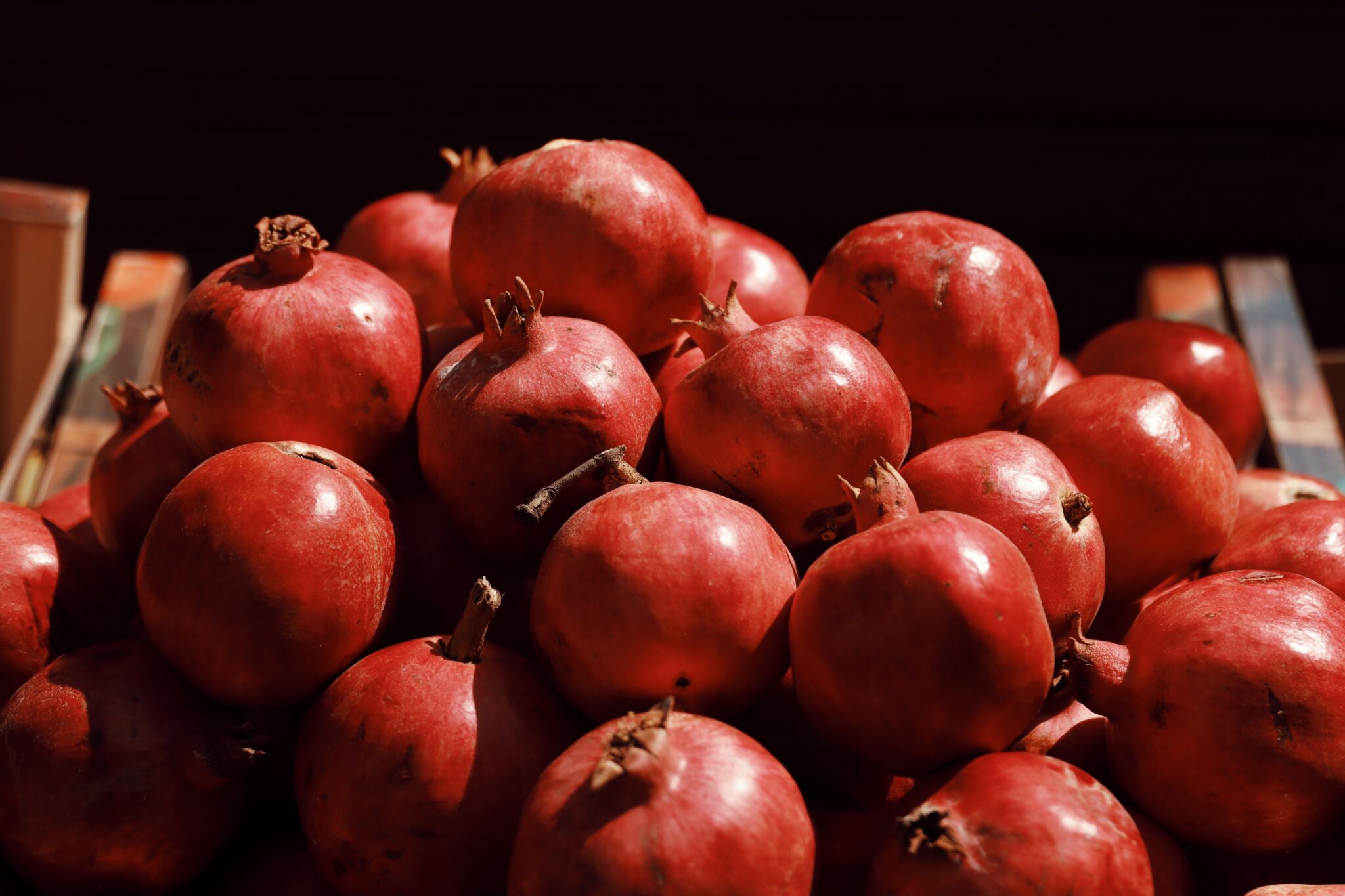
The Smart Cultivation Mindset: Protecting Premium Contracts
During high-stakes harvest seasons, agricultural managers often respond to quality issues by implementing uniform sorting cuts at the back end, such as indiscriminately discarding 15 percent of harvested crops from every batch. Many believe they can maintain premium brand value by simply filtering out defects in the packing house. While they may protect their brand reputation temporarily, they are directly destroying their profit margins by wasting unmarketable produce that cost thousands to grow. However, there is a viable path forward. Instead of solely focusing on post-harvest sorting, agribusinesses can adopt a proactive cultivation mindset and take a more nuanced approach to crop management. This involves utilizing pre-harvest canopy management and data-backed fruit thinning to control the exact size and grade of the produce while it is still on the tree or vine. By eliminating defect generation during the growth cycle, successful estates can potentially boost their premium pack-out rates by 15 to 20 percent, reinvesting this newfound revenue into global marketing campaigns.
"While it’s tempting to push for maximum farm tonnage, we believe that agribusinesses that double down on individual crop quality and rigorous pre-harvest calibration will not only eliminate international rejection risks but will also command long-term price premiums."
Securing the Global Shelf: A Call to Action for Progressive Growers
Despite the ongoing complexities in cross-border food regulations, the current shift toward premium global diets presents a pivotal opportunity for progressive farm owners to unlock substantial asset value, leveraging high-grade horticulture to drive growth and establish an undisputed export agenda for the future. In times of tightening international norms, it may be tempting for traditional farms to retract and adopt a highly conservative, domestic-only focus. However, we firmly believe that organizations that choose to actively upgrade their farming infrastructure to meet international quality benchmarks will capture premium global shelves more swiftly and emerge from these challenges in a position of distinct financial strength. Now is the defining moment for agribusiness leaders to pivot their focus intensely toward precision scale.