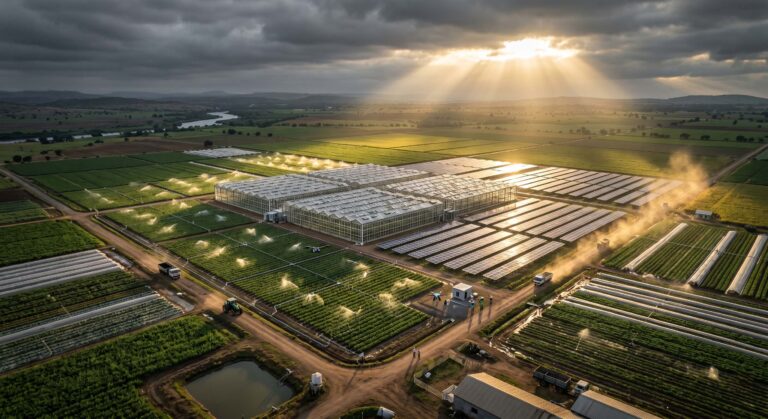

With the rapid commercialization of advanced artificial intelligence, it comes as no surprise that leading agribusinesses are aggressively overhauling their operational frameworks. Regrettably, treating AI as a mere analytical tool rather than an autonomous decision-making engine is frequently the first hurdle to achieving true digital scaling. In early 2026, our technological audits across tier-one corporate farming and processing networks revealed that a failure to deploy autonomous agents leads to an average 30 percent lag in real-time supply chain responsiveness. In certain instances, manual delays in rerouting shipments during sudden climate disruptions resulted in severe cargo spoilage. Finding a balance between human strategic oversight and fully autonomous, machine-driven execution is crucial to navigate the complexities of today’s hyper-fast agricultural landscape.
Beyond Basic Automation: The Era of Intelligent Agents
Over the past year, Chief Operating Officers (COOs) have faced an arduous journey due to the sheer volume of real-time data generated by global logistics networks. In an era of immediate market shifts, corporate entities have been compelled to move beyond simple software alerts. In fact, forward-thinking enterprises are modifying their entire technological behavior by integrating autonomous AI agents capable of executing complex workflows—from independently negotiating spot-freight rates with shipping lines to dynamically adjusting greenhouse climate controls without human intervention. Simultaneously, the financial cost of manual operational delays has experienced an upward trajectory, making autonomous agent deployment not just a futuristic experiment, but a commercial necessity for operational dominance.

The Investor Approach to Artificial Intelligence
During periods of technological transition, financial leaders often respond to high integration costs by implementing uniform restrictions on software procurement, such as capping IT budgets at legacy levels. Many believe they can manage modern logistics by simply adding more human data analysts to their payroll. While they may achieve a temporary sense of control, they are directly exposing their enterprises to critical inefficiencies when facing AI-powered competitors. However, there is a viable path forward. Instead of solely focusing on indiscriminate IT budget freezes, companies can adopt an investor mindset and take a more nuanced approach to their digital infrastructure. This involves identifying specific, high-friction operational bottlenecks and allocating targeted resources to custom AI agents and SaaS workflows that offer massive potential for long-term return on investment (ROI). By eliminating human latency in routine supply chain decisions, successful operators can potentially reduce their operational overheads by 20 to 35 percent, reinvesting this saved capital into high-level corporate acquisitions.
"While it’s tempting to keep all operational decisions strictly in human hands, we believe that enterprises that double down on autonomous AI agents will not only eliminate critical latency but will establish an unshakeable competitive advantage in global markets."
Engineering the Smart Enterprise: A Call to Action
Despite the complex architecture required for deploying intelligent workflows, the current technological landscape presents a pivotal opportunity for forward-thinking executives to unlock substantial value for their enterprises, leveraging autonomous agents to drive hyper-efficient growth and establish a highly responsive operational agenda for the future. In times of digital acceleration, it may be tempting for legacy agro-industrial groups to retract and adopt a highly conservative, manual-first approach. However, we firmly believe that organizations that choose to adopt foundational AI-driven ecosystems will navigate global market shifts more swiftly and emerge from these technological challenges in a position of immense institutional strength. Now is the defining moment for corporate leaders to pivot their focus intensely toward autonomous scale.