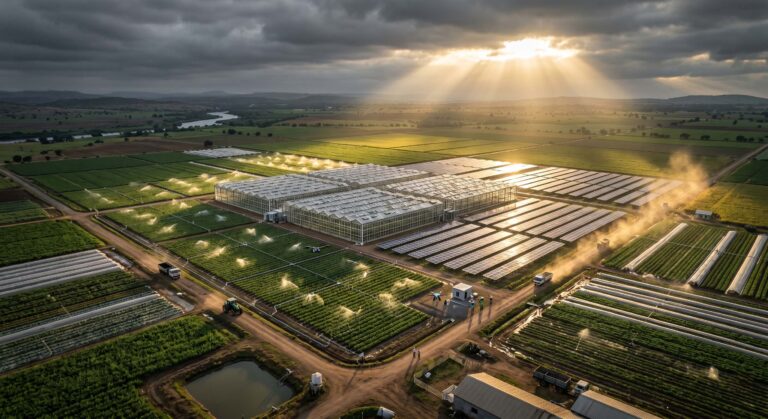
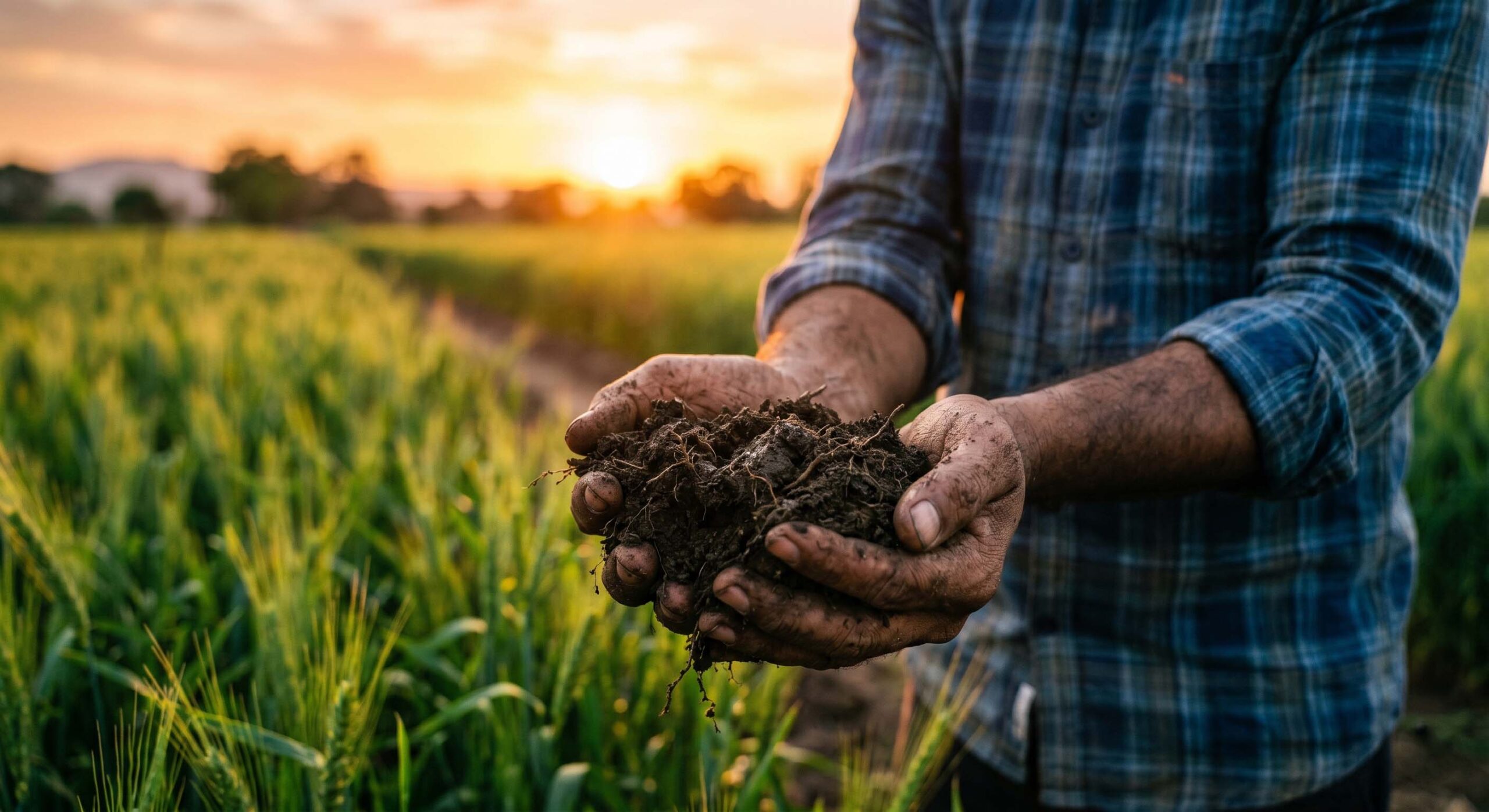
With global agricultural output relying heavily on intensive chemical farming, it comes as no surprise that long-term land degradation is becoming a critical concern for large estate owners. Regrettably, treating soil as a limitless inert medium rather than a living ecosystem is frequently the first hurdle to sustainable inter-generational farming. In mid-2022, our analysis of commercial farming clusters revealed that an over-reliance on synthetic inputs leads to an average 15 percent drop in natural soil fertility over a single decade. In certain instances, severe topsoil depletion and high salinity resulted in massive plots becoming entirely uncultivable. Finding a balance between immediate high-capacity crop production and meticulous long-term soil health is crucial to navigate the complexities of today’s agricultural landscape.
Preserving Biological Capital: The Shift to Regeneration
Over the past decade, farm operators have faced an arduous journey due to the rapid shifts in weather patterns and the rising costs associated with chemical soil correction. In an era of unpredictable yields, agribusinesses have been compelled to prioritize their most valuable asset: the soil biology. In fact, early adopters of sustainable land management are modifying their entire agricultural behavior by integrating rotational cover cropping, precise organic amendments, and regular microbial telemetry. Simultaneously, the cost of synthetic fertilizers has experienced an unprecedented upward trajectory, making regenerative soil practices not just an environmental ideal, but a commercial necessity for long-term profitability.
The Investor Approach to Land Asset Management
During periods of yield stagnation, agricultural leaders often respond to poor harvests by implementing uniform increases in chemical applications, such as indiscriminately adding 10 percent more nitrogen to their fields. Many believe they can force higher yields by simply spending more on synthetic inputs. While they may achieve a temporary bump in crop volume, they are directly harming the long-term biological viability of their land. However, there is a viable path forward. Instead of solely focusing on aggressive chemical solutions, farm owners can adopt an investor mindset and take a more nuanced approach to their soil infrastructure. This involves identifying specific nutrient deficiencies through advanced lab testing and allocating targeted resources to bio-stimulants and precision fertigation that offer greater potential for long-term return on investment (ROI). By eliminating inefficient over-fertilization, successful estates can potentially achieve input savings ranging from 15 to 20 percent, reinvesting this capital into securing additional land assets.
"While it’s tempting to rely on aggressive chemical inputs for short-term gains, we believe that agribusinesses that double down on sustainable soil biology will not only preserve their land assets but will emerge as the most profitable multi-generational estates as a result."
Cultivating the Future: A Call to Action for Estate Owners
Despite the ongoing pressures to maximize immediate harvests, the current year presents a pivotal opportunity for forward-thinking farm operators to unlock substantial value for their estates, leveraging biological efficiency to drive growth and establish a sustainable agricultural agenda for the decades ahead. In times of environmental transition, it may be tempting for traditional farms to retract and adopt a highly conservative, chemical-heavy approach. However, we firmly believe that organizations that choose to adopt foundational soil regeneration frameworks will recover more swiftly from climatic stresses and emerge from these agricultural challenges in a position of immense structural strength. Now is the defining moment for agribusiness leaders to pivot their focus intensely toward inter-generational scale.